



Description
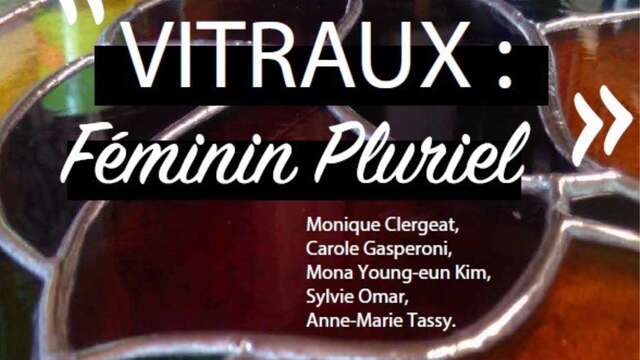
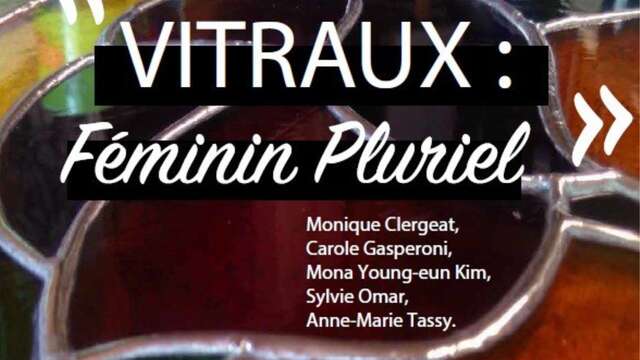
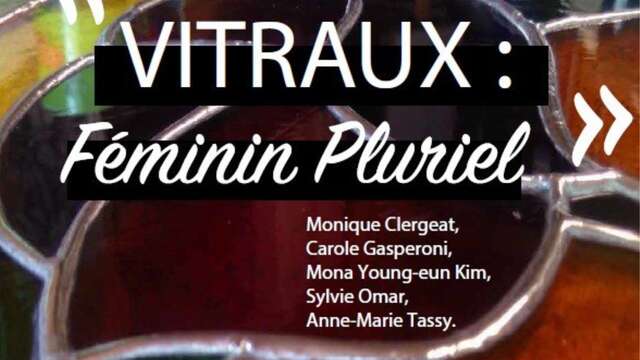
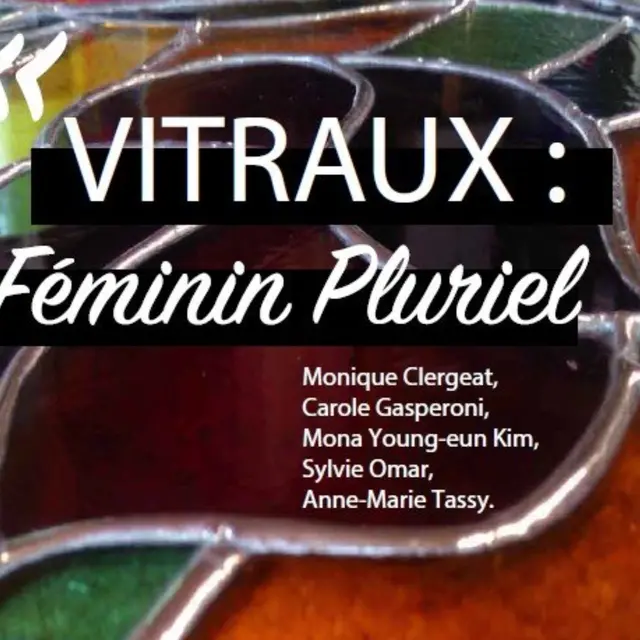
In the Saint-Martin Chapel in Chevaline, this exhibition showcases the work of women glassmakers, artists and some of their students, all passionate about this thousand-year-old yet remarkably modern art form.
Whether traditional or contemporary, stained glass or lighting, stained glass art reveals the artistic world of each creator. From 22 to 28 August, the exhibition will also feature a programme of events and talks.
STAINED GLASS: FÉMININ PLURIEL, An unusual, perhaps even slightly provocative theme?
For some, yes. Stained glass—and especially the profession of master glassmaker—was rarely associated with women. Yet women have been involved in the craft since the Middle Ages. Some worked in family workshops, but as the wife, mother or daughter of the master glassmaker.
During the 20th century, an invisible presence within family workshops gradually evolved into a more visible and recognised role.
Indeed, since the late 20th century, the profession has become increasingly feminised at every level. More women are working in workshops, with some even taking on management roles. More women are involved in the design of stained-glass windows. They are also increasingly featured in the media when the work of a particular workshop is showcased. Their expertise is recognised through awards, for example in the “Meilleur Ouvrier de France” competition, where 6 of the last 9 titles in the “Art Stained Glass” category have been awarded to women.
So today, what difference is there between a female and a male master glassmaker?
Women’s work often explores themes connected to nature, memory, intimacy and social history.
As newcomers to this ancient world, female master glassmakers are not afraid to move away from traditional themes (biblical imagery, conventional decorative styles, etc.) towards a more personal and sociocultural form of expression. They experiment with techniques and reinterpret them, making this medium their own.
A combination of modernity and tradition, a unique and contemporary perspective: these may be the keys to the evolution that the increasing presence of women could bring to this thousand-year-old art form.